
Габаритные огни L & R Aero для Honda 2012-2017 Goldwing GL 1800 подушка безопасности из
3 890,86 руб.


Новое поступление
Характеристики
*Текущая стоимость уже могла изменится. Что бы узнать актуальную цену и проверить наличие товара, нажмите "Добавить в корзину"
| Месяц | Минимальная цена | Макс. стоимость | Цена |
|---|---|---|---|
| Jul-21-2026 | 0.16 руб. | 0.83 руб. | 0 руб. |
| Jun-21-2026 | 0.44 руб. | 0.1 руб. | 0 руб. |
| May-21-2026 | 0.97 руб. | 0.43 руб. | 0 руб. |
| Apr-21-2026 | 0.54 руб. | 0.36 руб. | 0 руб. |
| Mar-21-2026 | 0.25 руб. | 0.48 руб. | 0 руб. |
| Feb-21-2026 | 0.45 руб. | 0.2 руб. | 0 руб. |
| Jan-21-2026 | 0.64 руб. | 0.29 руб. | 0 руб. |
| Dec-21-2025 | 0.42 руб. | 0.97 руб. | 0 руб. |
| Nov-21-2025 | 0.12 руб. | 0.67 руб. | 0 руб. |
Описание товара
Plant forms
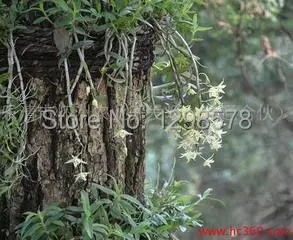
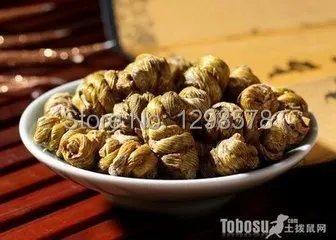
Stems cylindric, 15 to 50 cm high, thick 4 ~ 8 mm. Leaf sheath with fleshy, moment cone lanceolate, 3-6.5 cm long, 0.8 ~ 2 cm wide, apex slightly hook. Raceme, was born in leaf or stem in the middle, there is 2 ~ 4 flowers; Flowers yellowish green, slightly aroma; Sepals 1.2 ~ 2 cm long; Petals shorter than sepals, lip lanceolate oval, 1.3 1.6 cm long 7 ~ 9 mm wide, apex acuminate or short acuminate, near the upper middle round purple patches, close to the lower middle yellow corpus callosum. Flowering from April to June. Surface yellow, base slightly shiny, streaking, festival inflorescence handle mark and remaining leaf sheath; Leaf sheath shorter than internode, often with upper internode annular gap, brown, scabbard mouth open. Qualitative hard and brittle, easily broken, fibrous of area. Some samples of stem diameter 3 ~ 6 mm, surface yellowish green or dark green, leaf sheath gray. A viscous gas micro, chewing.
3 chemical composition
3.1 components
Using a variety of chromatographic methods, compounds isolated from tin caulis dendrobii herbs monomer, 72, through the modern spectral technology identified 63, found that 18 new compounds, the structure types of the compounds are as follows. Class of benzene and its derivatives, A total of 27: iron caulis dendrobii element A, tin caulis dendrobii element B, tin caulis dendrobii, C, D tin caulis dendrobii element, iron caulis dendrobii E, tin caulis dendrobii F, G, iron caulis dendrobii element iron caulis dendrobii H, iron element of caulis dendrobii I, tin caulis dendrobii J, tin caulis dendrobii K, tin caulis dendrobii L, M iron caulis dendrobii element, iron caulis dendrobii N, tin caulis dendrobii O, tin caulis dendrobii P, tin caulis dendrobii Q, 4, 4 '- dihydroxy - 3, 5 - dimethoxy benzyl, 3, 4 - dihydroxy - 5, 4' - dimethoxy benzyl, 3 '- hydroxy - three, four, five' league benzyl - three oxygen radicals, 4, 4 '- dihydroxy - 3, 3', 5 - three oxygen radicals benzyl, 3, 4 '- two - five - methoxy benzyl, 3', 4-2 hydroxy - 3, 5 '- dimethoxy benzyl, dihydrogen resveratrol, dendromoniliside E, denbinobin, 2, 4, and 7-3 hydroxy - 9, 10 - dihydro fe.
Phenolic compound 12: N - p - coumaric acyl tyramine, anti - N - (4 - hydroxy ethyl benzene) ferulic acid amide, dihydrogen coniferyl alcohol dihydrogen of hydroxy cinnamic acid ester, tyramine, dihydrogen ferulic acid of hydroxy benzene propionyl tyramine, clove acid, lilac aldehyde, vanillic acid, hydroxy benzoic acid, hydroxy cinnamic acid, ferulic acid, p-hydroxy benzoic acid.
Lignans compounds 4: (+) - clove fat element - O - beta - D - pyran glucoside, icariolA_2-4 - O - beta - D - glucopyranoside, (+) - lyoniresinol - 3 - a - O - beta - D - glucopyranoside, crack and deciduous rosin alcohol.
Lactone compounds 2: hooked stone welcome and digitalis lactone.
Dihydro 2: flavonoids in pomelo peel and 3 ', 5, 5 ', 7-4 hydroxy dihydrogen flavonoids.
Other types of compound 16: iron caulis dendrobii R, erigeside adenosine, uridine, sucrose, 5 - HMF, koaburaside, 28 trans ferulic acid alkyl ester, p-hydroxy trans cinnamic acid alkyl ester, 30 of hydroxy cis cinnamic acid alkyl ester, 30 carrots glycosides, beta sitosterol, hexadecanoic acid, 17 alkanes, thirty-one alkoxide, and 17 alkanes acid.
18 new compounds as: tin caulis dendrobii element A, tin caulis dendrobii element B, tin caulis dendrobii, C, D tin caulis dendrobii element, iron caulis dendrobii E, tin caulis dendrobii, F, G, iron caulis dendrobii element iron caulis dendrobii H, iron element of caulis dendrobii I, tin caulis dendrobii J, tin caulis dendrobii K, tin caulis dendrobii L, M iron caulis dendrobii element, iron caulis dendrobii N, tin caulis dendrobii O, tin caulis dendrobii P, tin caulis dendrobii Q, and tin caulis dendrobii R.
On the part of the monomer compound antioxidant and antitumor activity early screening, found that most united benzyl compounds have antioxidant activity; There are two couplet benzyl compounds with antitumor activity.
3.2 components
Compare iron caulis dendrobii and gold hair pin caulis dendrobii on the chemical composition of difference: method using high performance liquid chromatography - mass spectrometry (HPLC/MS) method, compare iron caulis dendrobii and gold hair pin caulis dendrobii ammoniacal chloroform extracts of each component in the chromatographic peak area and relative integral content. Results: iron caulis dendrobii and gold hair pin caulis dendrobii CLP spray ionization mass spectrometry mass number is an even number of chromatographic peak area and the relative integral were 2.34% and 41.87% respectively, tin caulis dendrobii and gold hair pin caulis dendrobii 25 in them the same chemical composition, relative points area and 97.12% and 50.09%, respectively, including 23 composition in iron content higher than gold hair pin in caulis dendrobii caulis dendrobii. Conclusion: iron caulis dendrobii and gold hair pin caulis dendrobii on the quantity and the content of alkaloids component has the very big difference, but in terms of contained the same chemical composition, iron caulis dendrobii on the quality of gold hair pin caulis dendrobii. [1]
4 growth environment
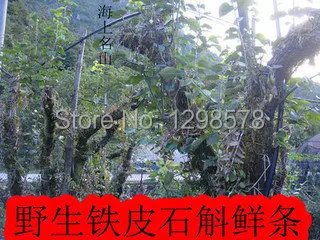
1, wild iron environment: wild tin caulis dendrobii grows between 100-3000 meters above sea level height, often on the rocks in the tree or warm. Moist and half overcast environment, not cold. Grow warm 18 ~ 30 , growth period to 16 ~ 21 more appropriate, dormant 16 ~ 18 night temperature is 10 ~ 13 , keep the temperature at 10 ~ 15 is the best. Daytime temperatures exceed 30 on dendrobium stem growth impact is not big, the winter temperature of not less than 10 . Seedlings under 10 to seas, performed the demanding environmental conditions. The natural reproductive capacity is low, the slow growth of wild tin, has now barred. Although the medicinal properties of tin caulis dendrobii function canopy caulis dendrobii, but currently on the market circulation of iron caulis dendrobii, basic is cultivated varieties.
2. Artificial planting: because the rigour of tin dendrobium stem growth environment, artificial cultivation of the tin caulis dendrobii must conquer varieties and stable technical difficulties, prevent degradation in the tin varieties. So artificial cultivation of tin caulis dendrobii generally fall into two kinds, one kind is the origin of tin, pay attention to the "real" origin of Chinese medicine, such as yunnan, zhejiang and other places, relying on the suitable natural environment, in the form of greenhouse cultivation, the yield and quality were more vulnerable to the local environment. Another is through the way of imitation wild simulation, using the facilities of a series of simulating the most appropriate iron caulis dendrobii growth of substrate, temperature, humidity, illumination, air quality, such as environmental conditions, forming the unique "microclimate" professional, again by modern agricultural management means to control plant diseases and insect pests, to ensure the stability of the variety and quality of tin caulis dendrobii.
5 cultivation management
Tin caulis dendrobii cultivation management
In terms of tin caulis dendrobii cultivation region choice, I think should be based on the biological characteristics of iron caulis dendrobii, fully considering the field of illumination, temperature and humidity, ventilation and other natural factors (typically choose to have the distribution of wild iron caulis dendrobii region). In order to obtain high yield, high quality iron caulis dendrobii, must be standardized cultivation, intensive cultivation, people create a superior growth environment, make the planting condition basic close to the wild environment climatic conditions, in order to satisfy its growth. General seedbed planted in greenhouse, a number of factors that can be manually controlled.
1. The preparing work before cultivation
1.1 the choice of cultivation facilities
Cultivation of greenhouse establish a general should satisfy the following conditions: the size of the tent to reasonable design according to the size of the plant, greenhouse generally is 30 m long and 6 m wide (or 8 m), shoulder height 1.8 m, total 4 m high; To obligate between planting seedling bed l m wide roads, convenient management. Greenhouse building can choose steel structure frame, durable, but one-time investment cost is higher; Also can choose concrete structures, a one-time investment cost is low, but life is short, after years of total cost lower than the former. Roof covering plastic of plastic film and shade degrees is 70% shade nets, insect nets fitted around the big gate and population. Nursery greenhouses to water, electricity, pathways. And best in relative installation for automatic or manual control spray system (spray, spray fertilizer, spraying).
1.2 seedbed preparation
Relative building elevated planting seedling bed, make its can easily control the moisture, and air permeability. So as to provide favorable conditions for the growth of the somaclone. The Angle steel, wood and other materials as the seedbed of framework, like greenhouse seedling bed length, width of 1.2 m. overhead height of 40 Cm. Between beds with a channel to cultivation. If in order to make full use of greenhouse space, cultivation bed seedling bed hand activity type, may be adopted such a channel, as well as increase the cultivated area, also can meet the requirements of operation. Cultivation of general use wire mesh laid at the bottom of the bed, not in order to make the matrix from the gap between leak, in steel wire net insect nets laid a layer of 40 purposes. Then, pour the prepared matrix in planting bed, thickness of 7 to 15 cm.
1.3 the substrate preparation
The selection of the matrix of tin caulis dendrobii transplanting survival rate, growth, reproduction and impact on the production, so the choice of substrate before transplanting is crucial. Can be used for tin caulis dendrobii transplanting substrate is varied. Different researchers get the best types of substrate is also different. Yuan Zheng imitation with river sand, such as coarse granite, brick and stone (100%) and perlite + perlite and coconut chaff (1:1), coconut chaff (100%), peat soil (100%) and plant iron caulis dendrobii somaclone, it was found that in peat soil effect is best, coconut chaff and pearlite + coconut chaff, other effect is poorer. Pay open chung and other thinks, in several kinds of substrate, whether tin caulis dendrobii survival rate, yield, degree of granular or height, to the effect of the combination of the best wood + moss, growth and performance for: wood sawdust > > block + + moss wood + humus soil > > sawdust sawdust + river sand + humus soil. White hair, the tin caulis dendrobii sterile test-tube seedlings (seedlings height 5 cm) respectively transplanting limestone rubble rotten leaves filter layer 5 cm + 8 cm + 2 cm living moss, limestone gravel filter layer 8 cm + 5 cm + crushed moss living moss 2 cm, limestone gravel filter layer 5 cm + 8 cm sawdust + 2 cm live moss cultivation substrates, such as found in limestone gravel filter layer 5 cm + 8 cm sawdust + 2 cm live moss for matrix iron caulis dendrobii do best, the highest yield. Deng Jun waves using 2 cm of the size of the block according to the proportion of 4:1 and moss mixed use, after high temperature disinfection sterilization, soaked with water for 24 hours before use, make its fully absorbing water, good results have been achieved. Above, several matrix around the cultivation of personnel according to different actual choice.
2. Engraftment
According to research, seed MiaoGen in 0.5 1.0 cm long when is the best period of transplant. Before cultivation, the iron caulis dendrobii somaclone in indoor seedling 20 ~ 25 days, with clean water on earth MiaoGen as culture medium, with 0.1% of chlorothalonil liquid disinfection, to prevent earth MiaoGen decay. Cultivation, according to 15 cm x 20 cm plant row spacing cultivation, plant root natural stretch, will cover matrix root advisable, gently raise seedling, seedling root system can fully contact with the substrate, foot set root watered. Tin caulis dendrobii tuft, plants grow more than the plant to grow better, 1 to 3 strain plexus planting more suitable. Cultivation time is 3 ~ 6 months, during which the cultivation somaclone survival rate is high, can reach more than 95%, and robust growth.
Transplanting time are unfavorable transplanting when temperature is too low or too high. In a metal caulis dendrobii producers, generally speaking, in addition to the coldest 1-2 months and the hottest 7. August are transplanting, but generally choose 4-5 months. Yunnan pu-erh tea area tin caulis dendrobii best order cultivation season: the middle of march to mid-june > > late early September to November in late June to late l0 month > early December to the following year in early march.
When transplanting transplanting method on the substrate dig deep 2 -- 3 cm of small hole. Will gently refining plants, washed out of the bottle after the somaclone roots of small holes. Be careful not to break dendrobium stem fleshy root, then cover with matrix. Pay open chung and other studies have found that in transplanting the best growing season. The tin size and the survival rate of dendrobium stem tube seedlings relation is not obvious, but very obvious relationship between yield and tube seedlings grow thick; He further analysis. Small seedlings and accumulate in organic matter and energy are less related, they are in poor ability to adapt to the outside world and resistance, grow more slowly. So naked root and seedling and the less pollution should be separated from normal seedling cultivation, seedling to management.
3. The management of greenhouse conditions
(1) light iron caulis dendrobii purusha resistance to strong epiphytes, has direct light is better before at 10 am, the rest of the time should be 20% ~ 30% of the scattered light. 75% of the commonly used in greenhouses activity shade net. Summer appropriate shading, avoid the light is too strong and falls off the leaves turn yellow, winter should be appropriately increased light intensity, avoid the blades caused by insufficient light weak growth. The optimal light intensity for tin dendrobium stem growth of 5, 000-10 000 lux.
(2) the temperature and humidity inside the greenhouse temperature keep in 25 ~ 30 during the day, night 15-20 , low temperature not less than 8 , high temperature above 35 . Humidity control in 60% ~ 80%, if the summer high temperature and low humidity, can take shade and micro measures such as spraying cooling humidification, but at the same time of heat preservation should pay attention to ventilation, especially in hot weather in summer, more attention should be paid to the air circulation, prevent the occurrence of plant diseases and insect pests; Winter low temperature can be controlled by heating it in around 10 . Humidity of the air within 1 week after transplanting should keep at around 90%, 1 week after air humidity can be kept at 70% ~ 80%.
(3) water In just finished engraftment within a week, keep the matrix in the wet state, but not water. Water is used only for increase the humidity of the air, prevent excessive moisture on the leaf transpiration and cause wilting. Between after the new root stirring to dry wet principle of water, a water sufficient, substrate surface pale after pouring, pouring hanging water. Different seasons have different water quantity, summer air temperature is high, the evaporation capacity is big, basically need watering every day; Winter low temperature, water is not easy to be lost, and therefore should be according to water content, the cultivation matrix if partial dry can supply some water.
(4) fertilizer Tin caulis dendrobii aerial root nutrition mainly by the root of the fungus fixed free nitrogen in the air, but applying proper fertilizer can promote the increase of stem, leaf fat. Started after the new root stirring spraying liquid fertilizer, such as fluid of potassium dihydrogen phosphate, potassium dihydrogen phosphate and urea or liquid and so on, the concentration are around 0.1%, spraying once in about 10 days. After 1 ~ 2 months, for transplanting seedlings have gradually adapt to the new environment, new root has the lO cm, applying fertilizer slow release particles can, help them thrive.
Hesterzhu thought, such as the somaclone cast transplant 15 d after half times nutrient solution for the best. White hair, studied the tin caulis dendrobii applied nutrient solution (mainly composed of potassium nitrate, ammonium sulfate, magnesium sulfate, ferric sulfate and potassium dihydrogen phosphate, etc. The concentration of 0.2%) influence on iron dendrobium stem yield, the results show that. Pour out proper concentration of nutrient solution can greatly improve the output of tin caulis dendrobii. Tin caulis dendrobii commonly used for foliar fertilizer fertilizer, white hair that spraying on the leaf fertilizer (N: P205: K20 = abide: 13, the total N, P, K content of 51%, trace element B, Fe, zinc, Cu, Mn, Mo, total content of l %) can promote the growth of iron caulis dendrobii stem elongation, internodes, longer bold diameter, fresh weight per plant, on average, significantly higher than the control.
(5) plant growth regulator Pay open chung and other studies suggest that application of exogenous auxin (such as GA < gibberellic acid >, 6 - BA) to promote the production effect is obvious; Studies have shown that jian-bei teng, etc. Hormone treatment can enhance the activity of active oxygen scavenger, reduce the membrane lipid peroxidation of MDA, help improve the resistance of iron caulis dendrobii. MoZhao etc that under the condition of low concentration, with the increase of concentration of ABA (abscisic acid), the original bulb proliferation speed, when the ABA concentration of 0.5 mg/L proliferation is the largest.
(6) prevention and control of plant diseases and insect pests
Tin caulis dendrobii main diseases have soft rot, black rot, anthrax, etc. Soft rot disease, serious when the plants are wet rot decay collapse; Melasma harm blade, blasted the blade; Caulis dendrobii anthracnose and fleshy stem leaf. Suffer blade appear black or brown disease spot. According to these common diseases, must strengthen the relative management, pay attention to the ventilation pervious to light of appropriate reduce relative humidity, timely delivery mechanism and strain from pull out.
Tin caulis dendrobii main insect pest such as snails, thin shield pest, starscream. Among them, the snail is a common pest, harm young stem, leaves, buds and young fruit. Available who ensnared, artificial hunting or sprinkled lime, ChaFu prevention; Caulis dendrobii fe shield pest in plant leaf edge or on the back of the juice, concentrated with shield pest LaoZhi can be burned or with 40% dimethoate ec l 000 times spray to kill such as: starscream can through to remove weeds from the environment or spray low poison mite agent 800 l, 000 times a prevention and control.
Tin for precious herbs caulis dendrobii, therefore the tin of caulis dendrobii pest control should be as much as possible to prevention, physical prevention and control and biological control is given priority to, the principle of prevention and cure is prevention is better than cure. Don't need or use low-toxic pesticide: once discovered that plant diseases and insect pests should take corresponding measures in time, avoid the deterioration of the plant diseases and insect pests of affection.
6 medicinal value
6.1 herbs caulis dendrobii
Traditional Chinese medicine (TCM) name: dendrobium stem
Textual research: from the cold-induced febride
Medicinal material base of the original: for orchid gold hair pin caulis dendrobii, beautiful marble welcome, tin caulis dendrobii, bunch of marble welcome, whip caulis dendrobii stems.
Effect of sexual flavour: gan, small cold. Nourish "nourishing the stomach; Ziyin heat; Embellish lung and kidney; Quiet your waist.
International medicinal plant kingdom described it as "medicine industry giant panda"; Folk call "help this product"
Смотрите так же другие товары:


